
Revision bariatric surgery helps correct complications, weight regain, or poor results from prior weight loss surgery, giving you a second chance at success with expert care from Dr. Chad Carlton at LoneStar Bariatrics in Arlington.
*Actual Successful & Satisfied LoneStar Patient
Restore Weight Loss Progress
Revision bariatric surgery is a follow-up procedure that corrects or improves the results of a previous weight loss surgery. If you have experienced weight regain, complications, or poor symptom control, a revision can help restore effectiveness. The procedure works by modifying or converting your surgery to better restrict food intake, reduce calorie absorption, or address structural issues. Depending on your needs, your surgeon may remove a failed device, resize the stomach, or reroute part of the small intestine to support weight loss.
5 Convenient Locations
Serving patients throughout North Texas, LoneStar Bariatrics offers five convenient locations to better meet your needs. Our regional presence allows us to provide flexible scheduling, easy access to care, and consistent results-driven treatment close to home.
Arlington | Dallas | Hurst | Plano | Waxahachie

Reasons for Revision Bariatric Surgery:
- Regained weight after initial weight loss surgery
- Failed or ruptured gastric band
- Enlarged stomach pouch or stretched stomach
- Broken or compromised surgical staples
- Persistent acid reflux (GERD)
- Difficulty swallowing (dysphagia)
- Band slippage or intolerance
- Ongoing obesity-related health conditions
- Inadequate weight loss from original procedure
Your Revision Bariatric Surgery Options
Lap Band Removal To Gastric Bypass
This revision removes your existing gastric band and converts your anatomy to a gastric bypass. Dr. Carlton creates a small stomach pouch and reroutes part of your small intestine. This limits how much you can eat and reduces calorie absorption. It also changes gut hormones that affect hunger and blood sugar control. You may feel full sooner, have fewer cravings, and experience more reliable long-term weight loss compared to a gastric band alone.
Lap Band Removal To Gastric Sleeve
With this option, Dr. Carlton removes your lap band and performs a sleeve gastrectomy. Most of your stomach is removed, leaving a narrow, tube-shaped stomach. This smaller stomach holds less food and produces less ghrelin, the hormone responsible for hunger. As a result, you feel satisfied with smaller portions and experience reduced appetite, helping you maintain steady, sustainable weight loss without an implanted device.
Gastric Sleeve To Gastric Bypass
If you’ve had a sleeve and experienced weight regain or severe reflux, Dr. Carlton may convert your sleeve to a gastric bypass. This creates a small stomach pouch and reroutes part of the intestine. The procedure limits food intake, decreases calorie absorption, and alters hormones that influence metabolism. You can achieve stronger weight loss effects while also improving GERD and many obesity-related health conditions.
Gastric Sleeve To Duodenal Switch
This conversion combines a sleeve-shaped stomach with a more extensive intestinal bypass. Dr. Carlton significantly reduces stomach size and reroutes a large portion of the small intestine. This approach limits how much you eat and greatly reduces calorie and fat absorption. It also triggers powerful hormonal changes that support weight loss and blood sugar control, making it an option for patients needing more aggressive treatment.
Am I a Candidate For Revision Bariatric Surgery?
You may be a candidate if you have regained weight, experienced poor results, or developed complications after your weight loss surgery. Conditions like acid reflux, band slippage, pouch enlargement, or difficulty swallowing may indicate the need for revision. In general, you should have a BMI over 35 and obesity-related health concerns. Dr. Carlton will review your medical history, evaluate your anatomy, and recommend the safest, most effective option for you.

How Much Weight Can I Lose With Revision Bariatric Surgery?
Weight loss varies based on the type of revision performed, your starting weight, and your commitment to lifestyle changes. Many patients lose 50-70% of their excess body weight within the first year of the revision. However, individual results vary, and following nutrition guidelines, staying active, and attending follow-up visits greatly improves long-term success.
Patient Journeys
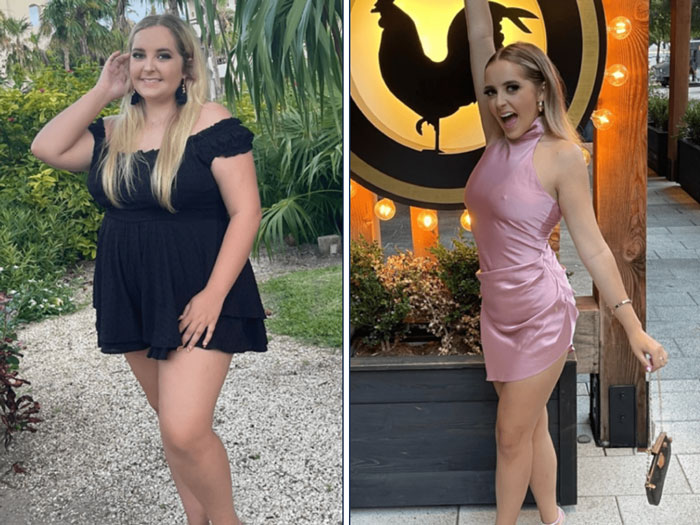
“I have had many unsuccessful diets and personal trainers as well as really bad Polycystic Ovary Syndrome (PCOS) so I have struggled with my weight my whole life.”
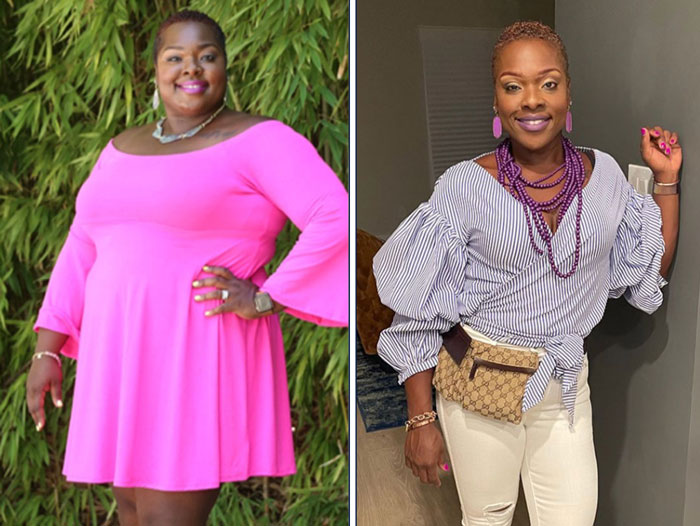
“I had been diagnosed as pre-diabetic, had sleep apnea, and was just generally not happy with how much I weighed, so I started Googling…”
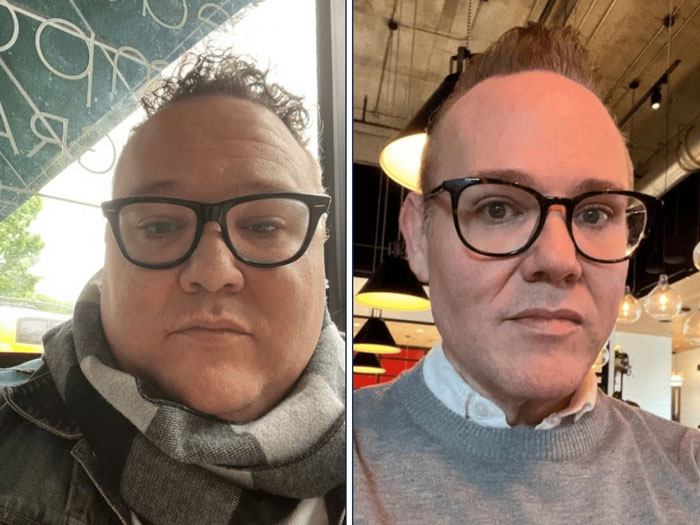
“I had tried so many different diets for so many years and ended up continually discouraged, continually sending myself in a shame spiral, and delving even further into disordered eating.”
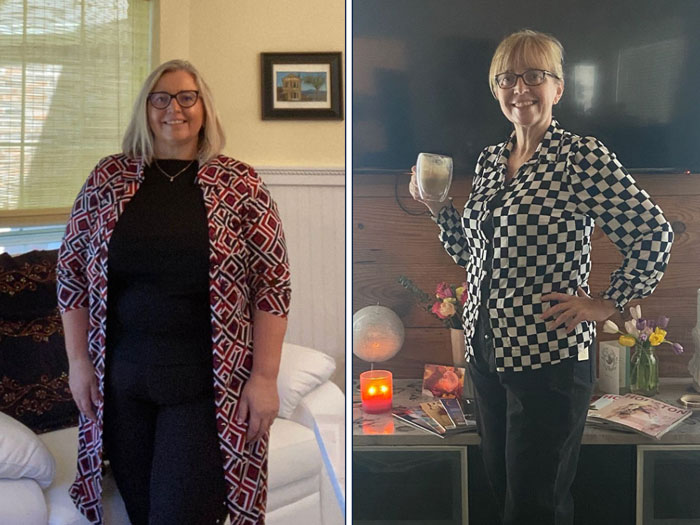
“Before surgery, I was vomiting daily and could not use weight. I felt awful, gross and worthless. I found Lonestar Bariatrics on… “
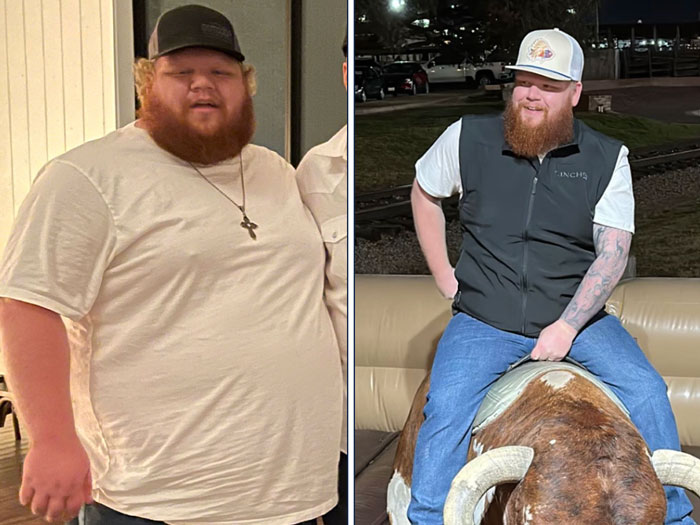
“I had tried every diet out there to lose weight and nothing helped – I actually continued to gain weight when on diets. I was at a crossroads between a long, happy life… “
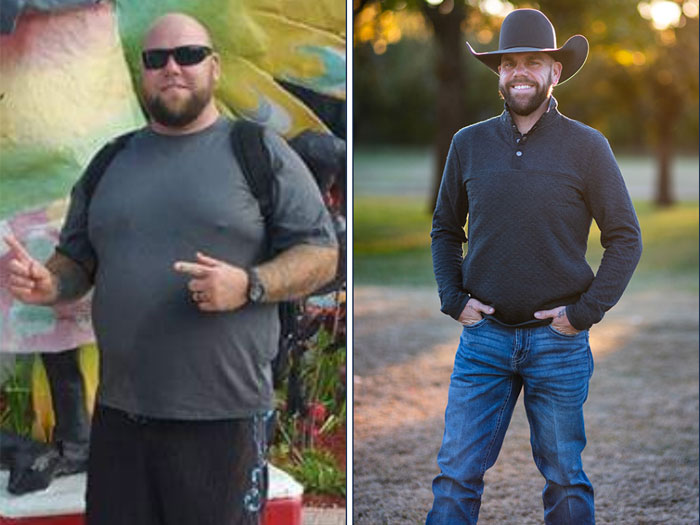
“I had tried diets and pills, and working out, I tried everything!!! Thankfully, a friend told me about Dr. Carlton, so I reached out.”
Revision Bariatric Surgery FAQs
Is revision bariatric surgery more complex than the first surgery?
Yes. Revision procedures are typically more complex because scar tissue and altered anatomy are involved. However, when performed by an experienced revision specialist like Dr. Carlton, these surgeries can be done safely and effectively.
Will I need to follow a special diet after revision surgery?
Yes. You will start with liquids, then progress to pureed foods, soft foods, and eventually solid foods. This progression protects your healing stomach and supports healthy weight loss.
Does revision surgery help with acid reflux (GERD)?
Yes. Certain revisions, such as converting a sleeve to a gastric bypass, are highly effective at improving or eliminating GERD symptoms.

Why Choose Dr. Carlton?
Dr. Carlton is a board-certified bariatric and general surgeon with over 15 years of experience and advanced expertise in complex and revision weight loss procedures. He is a Fellow of the American College of Surgeons and is known for his compassionate, patient-first approach. Dr. Carlton personally evaluates each case and creates a customized surgical plan focused on safety and long-term success. Schedule your consultation for revision bariatric surgery in Arlington to explore your options and take the next step forward.

Contact LoneStar
Bariatrics Today
CONTACT US(972) 232-7171
*Actual Successful & Satisfied LoneStar Patient